
Industry · Textile

AI-Powered Efficiency andQuality in Textile Production

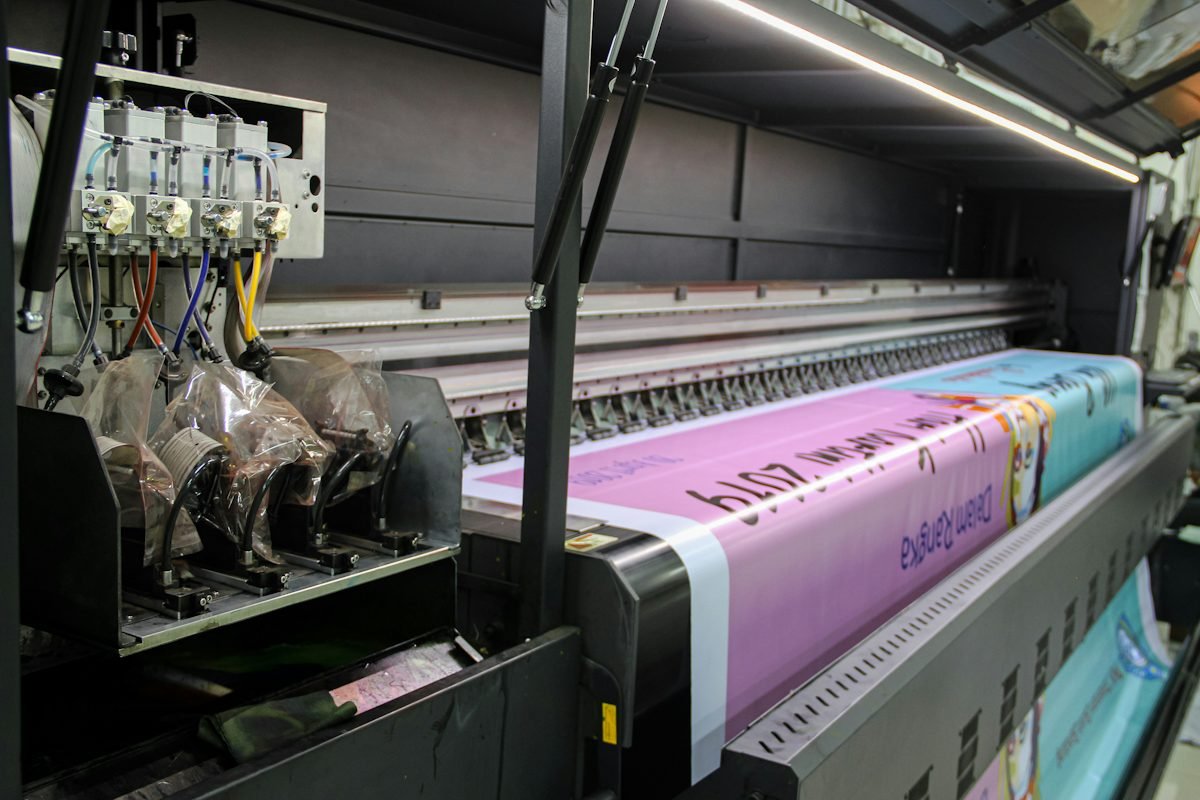
MonitEye analyses textile lines with AI-powered image processing to reveal operational losses, catch fabric defects and prevent accidents.

In apparel and textile, production performance depends on operator efficiency, cycle times, workstation capacity and meeting production targets. On serial sewing lines in particular, small time losses can add up to significant capacity differences by the end of the day.

Fabric roll · OKFabric defect · 0.94Loom · onCAM-36 · LIVE
Textile and Apparel3 modules
  • Operational Efficiency5 scenarios
  • Quality Control6 scenarios
  • Occupational Health & Safety6 scenarios
Challenges

What makes this sector hard to watch.

From millimetre-level yarn faults on fabric surfaces and shade differences between dye lots to stitch pitch deviations and missing accessories, the industry also faces the quality barriers that strain the human eye most. MonitEye turns existing cameras into an AI-powered analysis system that makes not only the results but also the operational steps behind them visible.

Micro time losses on sewing lines
Manual, periodic time studies
Yarn faults and shade differences missed by the eye
Stitching, accessory and labelling errors
Fire risk from textile dust and stenter ovens
Rotating rollers and blocked emergency exits
Solutions

MonitEye modules for this sector.

Each module runs on the cameras you already have and is tuned to the sector's own risks, defects and processes.

Sewing · ActiveStitch 14/2001 · Operational Efficiency
Operational Efficiency

AI-Powered Efficiency and Process Analysis

Discover the hidden efficiency losses in textile production

MonitEye's Production Efficiency Module analyses operations on textile lines from camera images, breaking each sewing cycle into steps and detecting the start and end time of each. Managers can see not only how much an operator produces but at which stages of the process time is lost.

Explore the module
Cycle Breakdown by Operation Step

Splits each cycle into product preparation, machine loading, sewing, idle time and completion, measuring how total cycle time is distributed.

Real-Time Production Metrics

Tracks total and per-operator output, average and total cycle times, operation times, waiting times and shift-based performance changes.

Micro Time Loss Detection

Reveals delays during preparation, short waits between operations and overlong steps, for example an operator who sews efficiently but loses time in preparation and completion.

Operator Performance Comparison

Compares cycle times of operators doing the same operation to build standard methods, identify training needs and examine unnecessary movements.

Automated Time Studies

Turns periodic manual time studies into continuous performance monitoring across more cycles, operators and shifts.

Fabric roll · OKFabric defect · 0.94Loom · on02 · Quality Control
Quality Control

MonitEye Quality Control Module: Textile and Apparel Industry

From fabric weaving to final ironing and packing: zero defects, flawless colour and stitching

The module combines high-resolution line-scan and area-scan industrial cameras, special homogeneous LED systems that do not add sheen to the fabric, and deep learning algorithms tailored for textiles. It catches, locates and automatically classifies defects at every stage, from the fabric roll to the finished garment.

Explore the module
Fabric Surface Defect Detection (Knit and Woven)

Detects broken yarns, holes, oil stains, weft/warp faults, skew, foreign fibres and knots without slowing winding, tagging each defect with its metre position on the roll.

Shade, Colour Difference and Shading Analysis

Inspects side-to-side differences, start-to-end lot shading and print pattern shifts or colour bleeding with near-spectrophotometric optical algorithms.

Sewing, Stitching and Symmetry Control

Verifies seam puckering, stitches per inch (SPI), open seams, overlock faults, pocket/collar asymmetry and shoulder alignment on the conveyor.

Accessory and Trim Verification

Checks that buttons, snaps, zips, rivets, badges and embroidery are fitted in the right position, complete and in the right colour.

Post-Wash and Dye Effect Inspection

Compares whiskers, sanding, laser patterns and local fading on denim and garment-dyed products against the approved reference sample.

Label, Size and Care Instruction Reading

Verifies barcodes, QR codes, size labels, composition and care symbols with OCR, eliminating the risk of wrong size labelling.

Fire · 0.97Smoke?03 · Occupational Health & Safety
Occupational Health & Safety

MonitEye HSE Module: Textile Facilities

360° protection against dust, fibre, rotating rollers and heavy chemical risks

Spinning, weaving, dyeing and finishing plants are surrounded by cotton and fibre dust, high fire loads, stenter ovens, dye kitchens and fast-rotating rollers, while sewing floors face ergonomic strain, blocked exits and needle injuries. The HSE Module brings your IP cameras and thermal sensors into an AI network that monitors textile-specific fire, entrapment and chemical hazards in real time.

Explore the module
Critical PPE Compliance Tracking

Verifies chemical vapour masks, acid gloves and goggles in dyeing, hearing protection and dust masks on weaving and spinning lines, and steel-toe shoes and hi-vis vests in warehouses, per operator.

Rotating Roller and Calender Proximity Barrier

Draws virtual optical barriers around carding machines, winding rollers and calenders; sounds an alarm and stops the machine instantly if an operator gets too close.

Early Fire/Thermal Detection in Stenters and Ducts

Catches heat build-up from textile dust and jammed synthetic fabric in ovens with thermal mapping before flames appear, and warns of overheating in dust filters and transformer rooms.

Escape Route and Fire Cabinet Control

Detects fabric rolls, spreading carts, pallets or boxes blocking fire exits, escape corridors and extinguishers, and sends visual alerts to supervisors.

Forklift, Tugger and Pedestrian Separation

Tracks blind-spot risks between electric tuggers, forklifts and pedestrians in logistics corridors to prevent collisions.

Ergonomics and Immobility Detection

Reports unsafe postures, fainting or falls and sudden immobility at ironing, packing and sewing stations to the control centre immediately.

Case studies

Results from the field.

Real projects in this sector: the problem, what MonitEye did and the numbers before and after.

Case study · Quality Control

Export-Oriented Integrated Knit Fabric and Apparel Manufacturer

A large integrated plant producing for leading European apparel brands inspected an average of 1,200,000 metres of fabric per month on greige and dyed fabric inspection tables. On manual inspection machines, operators missed yarn faults under 0.5 mm and slight shade differences, so the fabric went to cutting. When cut and sewn defective panels were spotted at final inspection, they were scrapped, wasting fabric, sewing and energy costs.

  • 4 high-speed industrial line-scan cameras with special back/front diffuse LED lighting were integrated into the fabric inspection tables.
  • The AI model was deployed to record holes, oil stains, yarn faults and width/length elasticity deformations with millimetre coordinates (X/Y axis and metre stamp).
  • Connected to the inspection machine's PLC, the system stopped the machine automatically at critical defect density and sent the defect coordinate map to the CAD/CAM cutting software, so defective areas were automatically excluded from the marker plan during spreading.
MetricBeforeAfterChange
Fabric defect detection accuracy68.5% (manual)98.4% (AI-based)+29.9 point increase
Defective fabric reaching cutting4.2% of total0.3% of total92.8% reduction
Inspection table speed18 metres/minute40 metres/minute122% speed increase
Customer return / penalty costs~€85,000 per year€0 (6-month period)Full success
Case study · Occupational Health & Safety

Large-Scale Weaving and Dyeing-Finishing Plant

At a 900-employee factory with yarn twisting, weaving and dyeing-finishing facilities, pallet truck and pedestrian conflicts occurred in fabric storage aisles, and chemical PPE violations in the dye kitchen led to fines in HSE audits. The biggest risks were operators getting dangerously close to rollers while threading fabric at the stenter entrance, and fabric carts blocking emergency exits.

  • 64 existing indoor and outdoor cameras across the plant were integrated into the MonitEye HSE server, and 3 smart thermal cameras were positioned in the dye house and stenter areas.
  • A 50 cm "High Danger Zone" was defined around stenter rollers and raising machines; hand/body violations triggered on-site beacons.
  • A "Static Obstacle Detection" rule was activated for corridors and fire doors; when a fabric cart stood still in front of an emergency door for more than 90 seconds, the shift supervisor received an instant photo and location alert.
MetricBeforeAfterChange
Stenter and roller proximity violationsAvg. 16 violations per dayZero violations (full compliance)100% safe zone
Emergency exit blockage time~4 hours cumulative per dayMax. 2 min to intervention98.3% improvement
Dye kitchen PPE compliance61% (at audit intervals)97.8% (continuous AI tracking)+36.8 point increase
On-site accidents with material damage7 cases per year0 cases per yearZero-accident success

Improving textile efficiency starts with accurately measuring what happens in production. Make your processes visible with MonitEye, identify time losses and improve operational efficiency with data-driven decisions.

Pick a camera and a scenario. We analyse your footage and show you the value MonitEye creates, before you commit to anything.